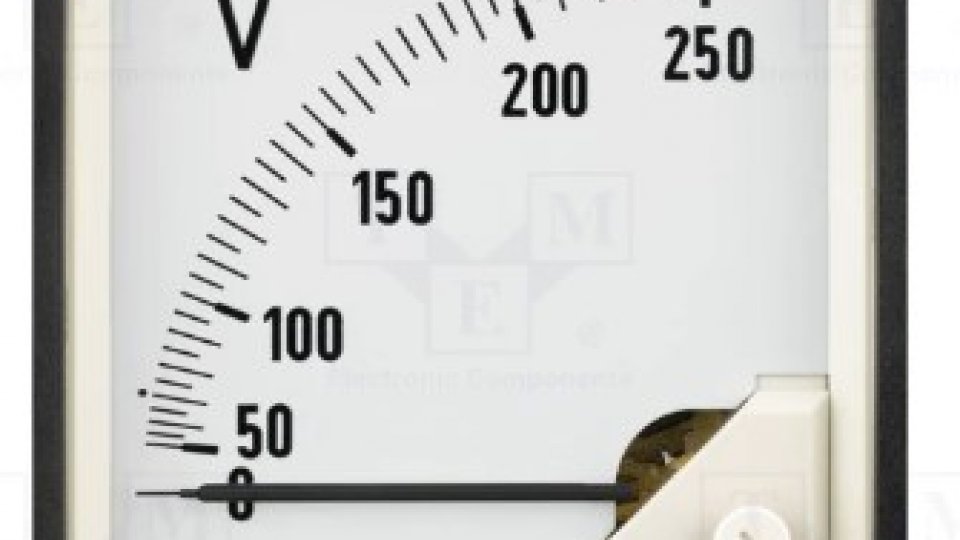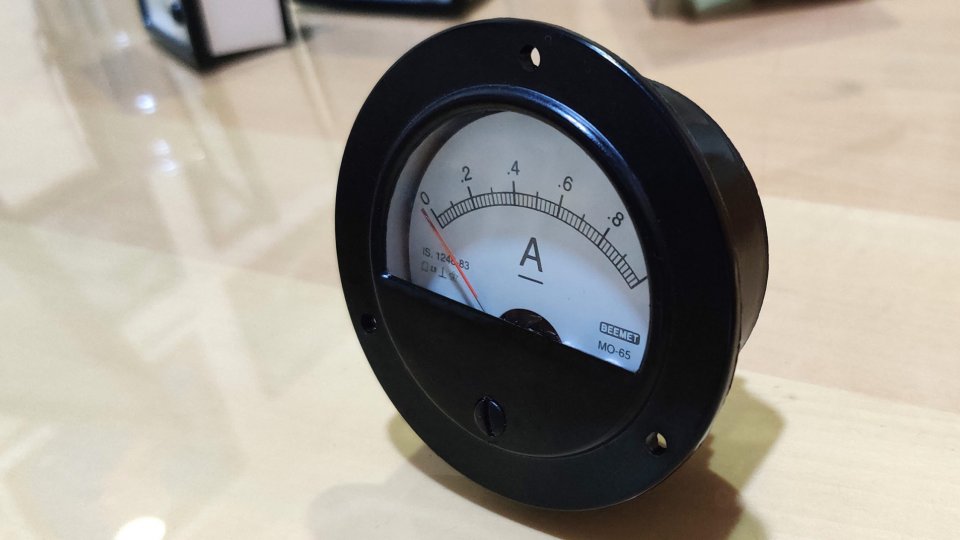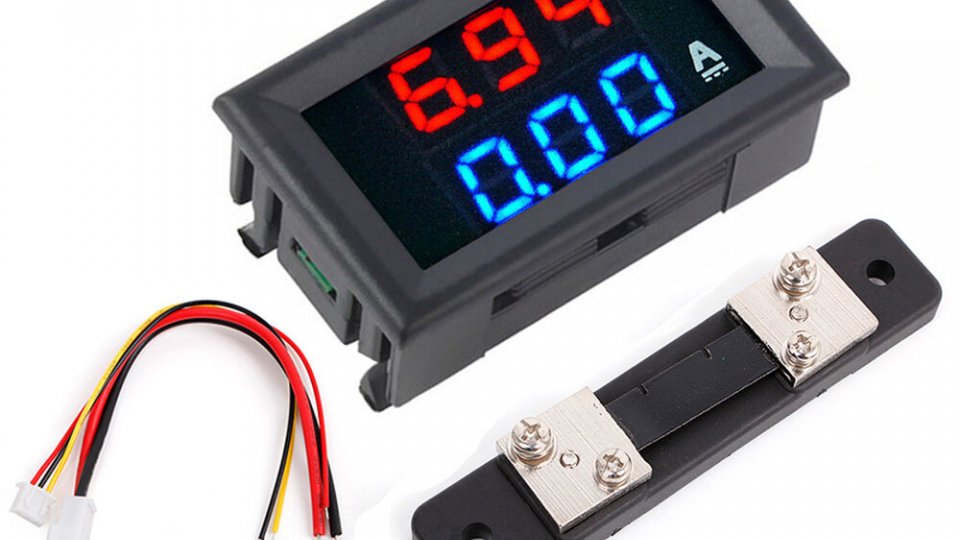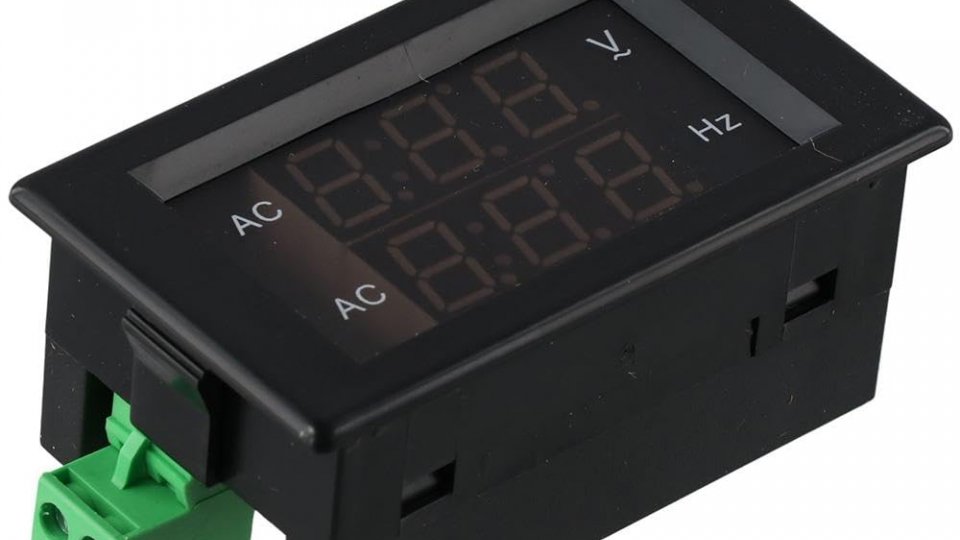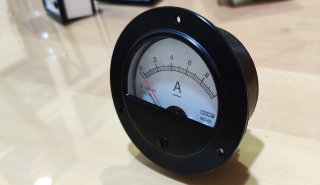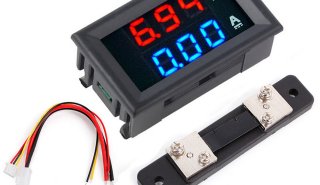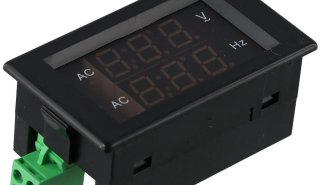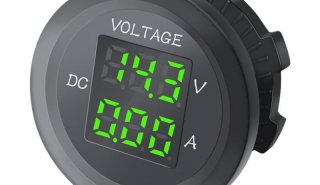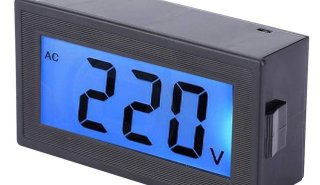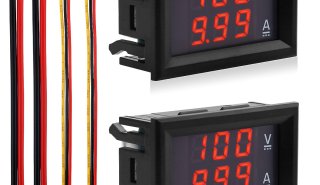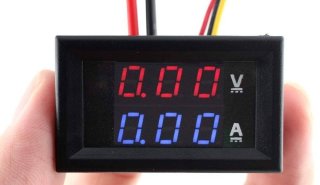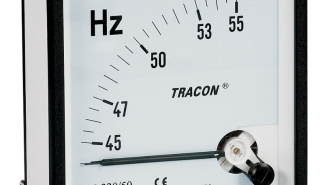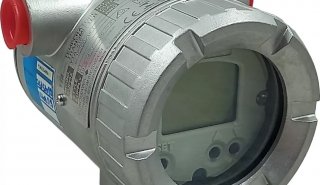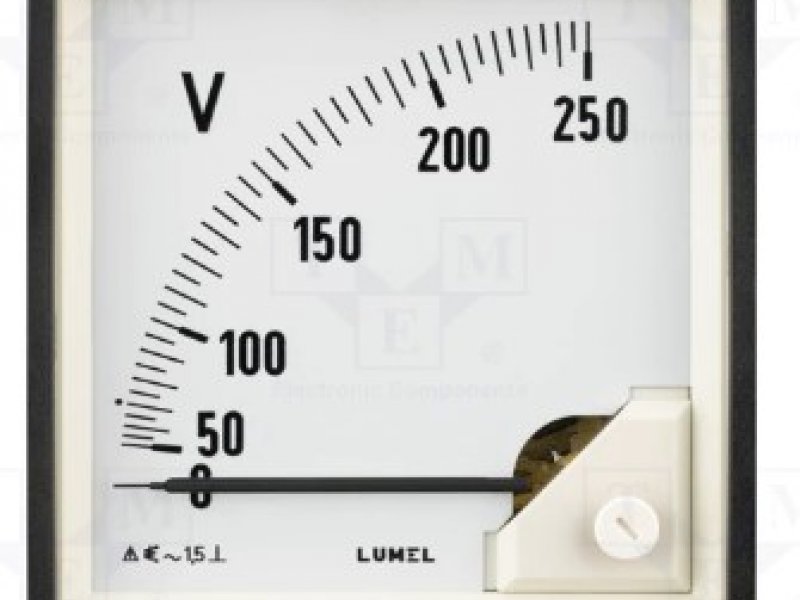
Voltmeters, ammeters, and frequency meters are fundamental monitoring instruments that ensure the reliable operation and safety of a vessel’s electrical systems. Each device performs a critical function, providing the crew with accurate circuit data and helping to prevent failures or malfunctions.
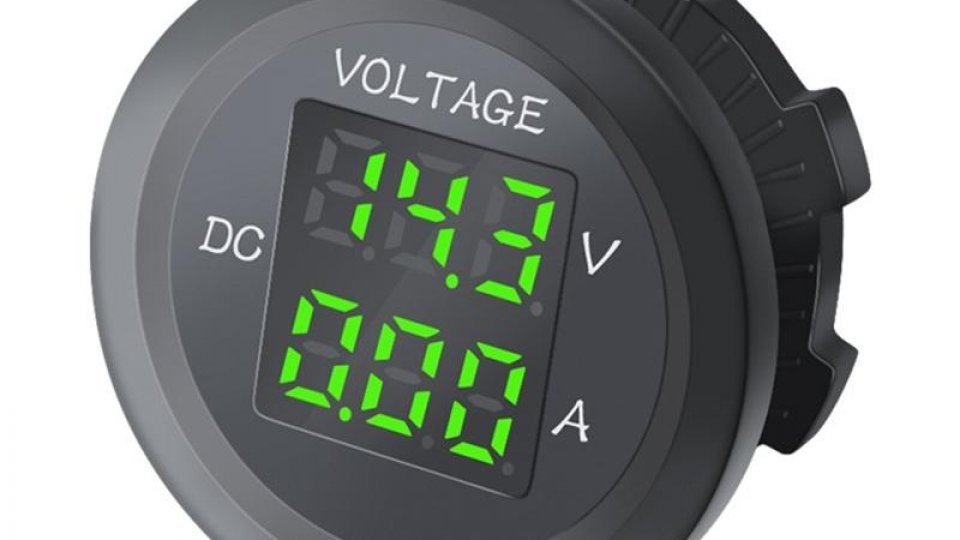
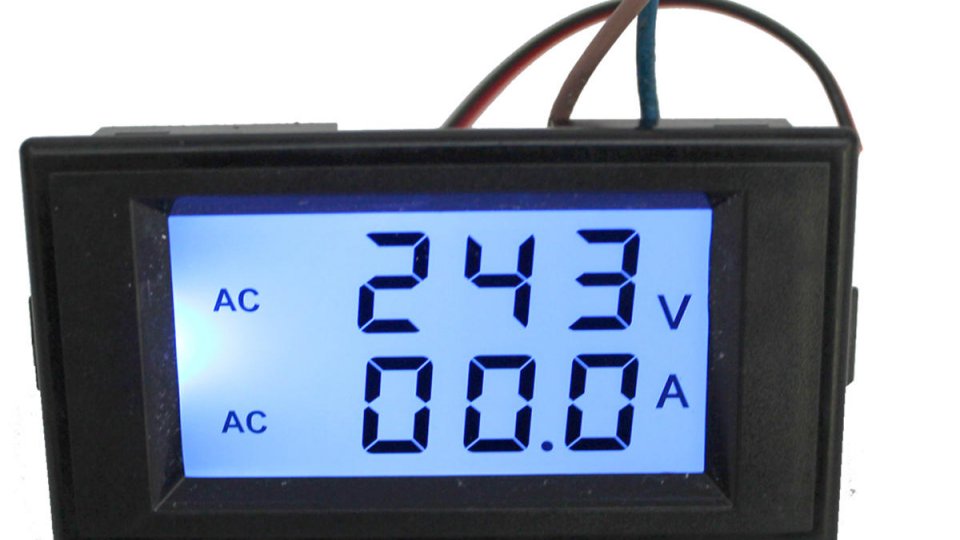
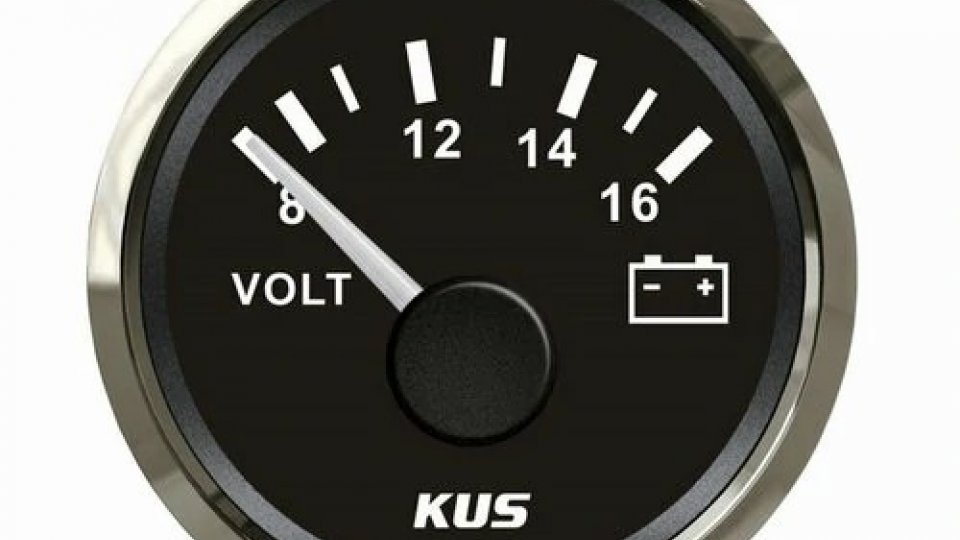
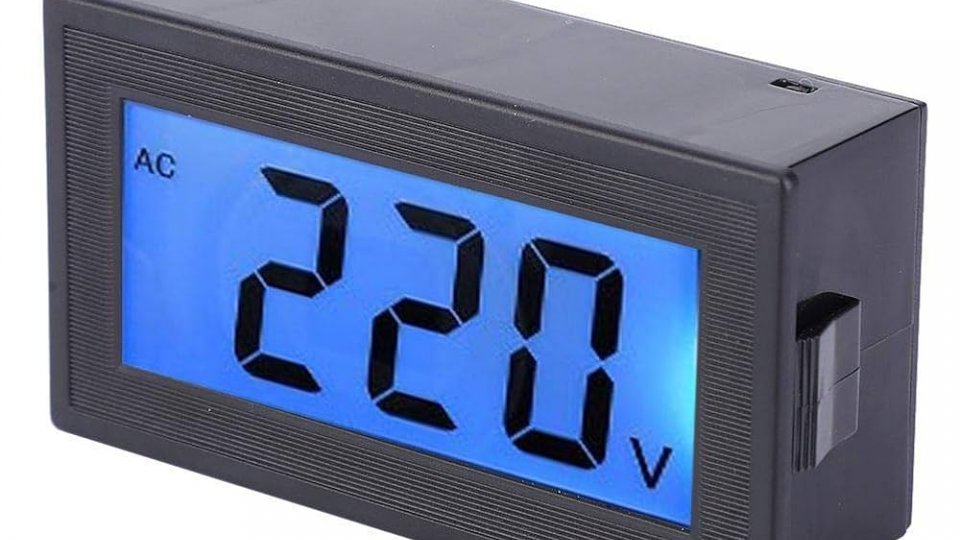
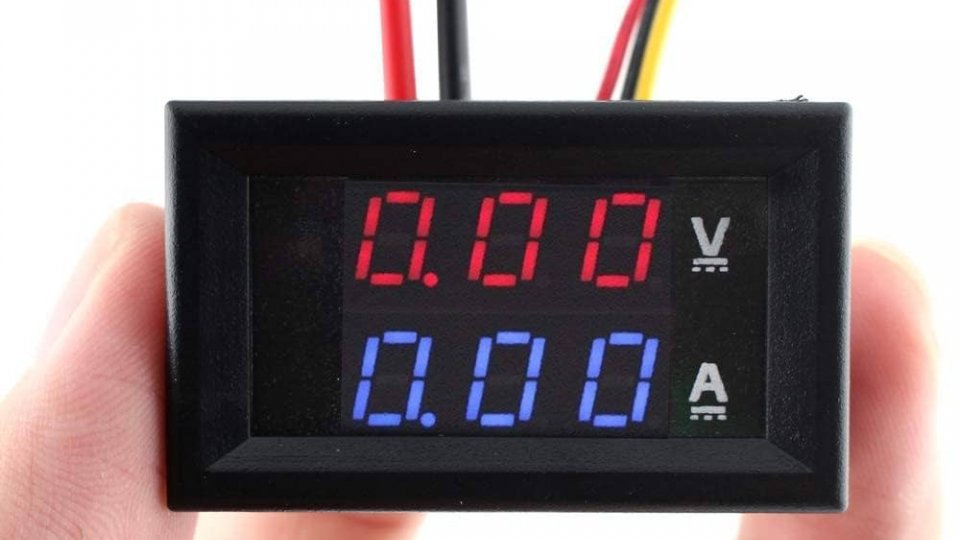
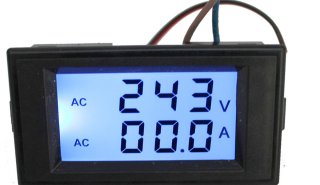
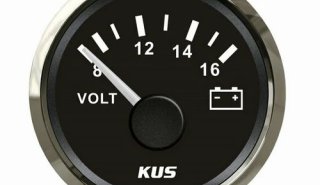
A voltmeter measures the electrical voltage (Volts) in various vessel circuits. Voltage, or the potential difference between two points in an electrical circuit, is crucial for the proper operation of all onboard electrical systems.
Monitoring voltage ensures it remains within specified limits, preventing overvoltage or undervoltage conditions that could lead to:
Damage to electronic circuits
Reduced machinery performance
Malfunctions in critical systems
Applications: Lighting systems, communication systems, propulsion systems, generators, and electrical tools.
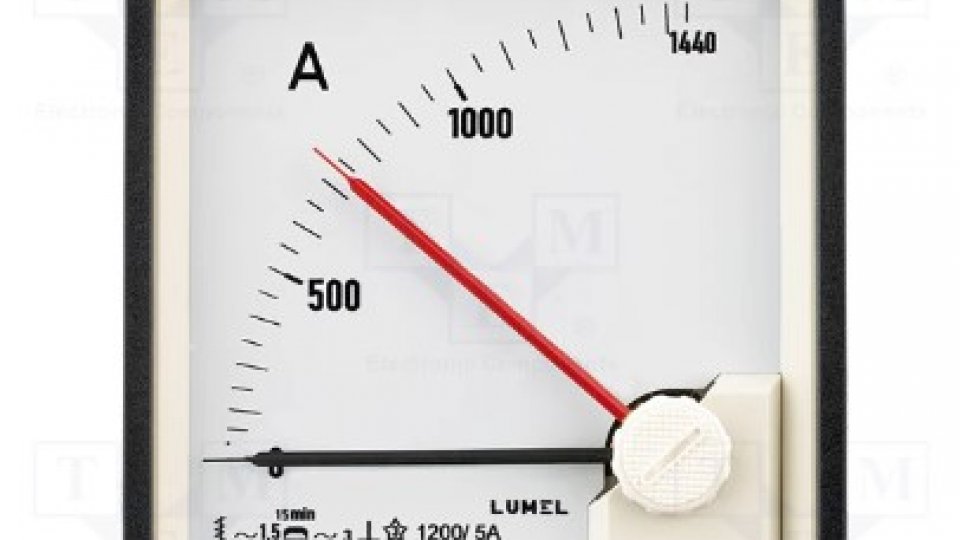
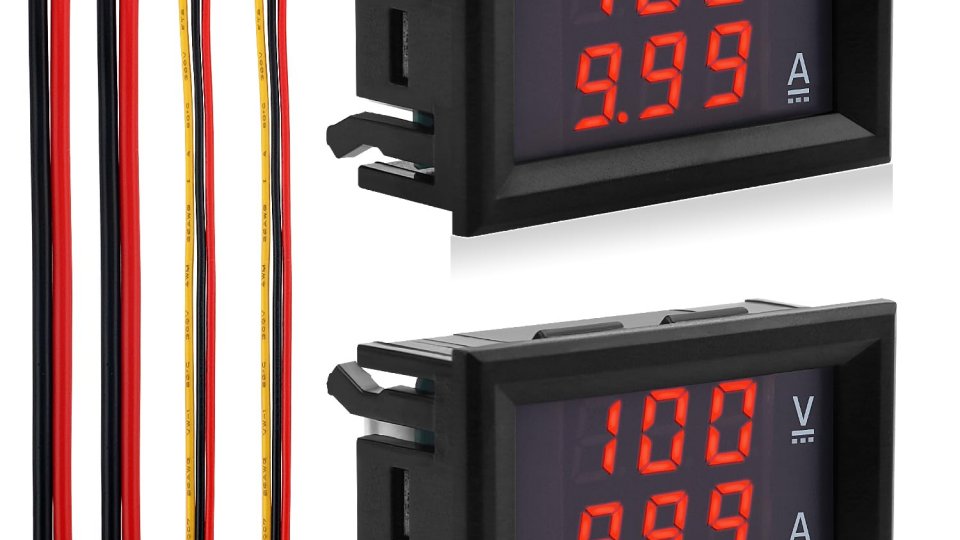
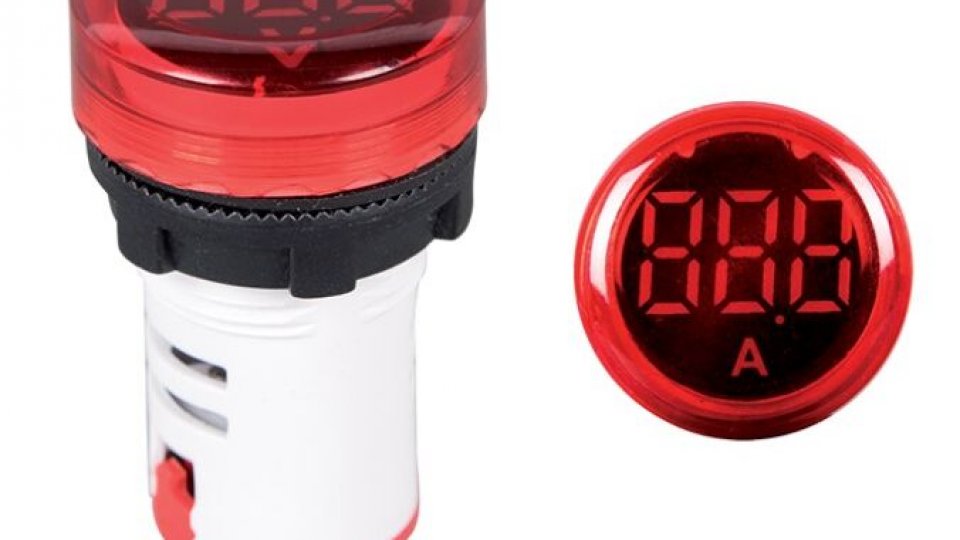
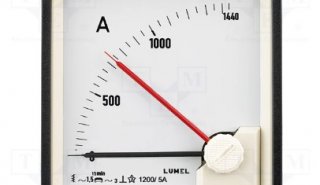
An ammeter measures the electric current (Amperes) flowing through a circuit. Current represents the amount of electrical energy passing through a conductor per unit of time and is a key indicator of system efficiency and safety.
Monitoring current allows:
Prevention of conductor overheating or damage due to excessive current
Detection of under-supply problems when current levels are too low
Applications: Propulsion systems, engines, generators, distribution panels, and other electrical applications.
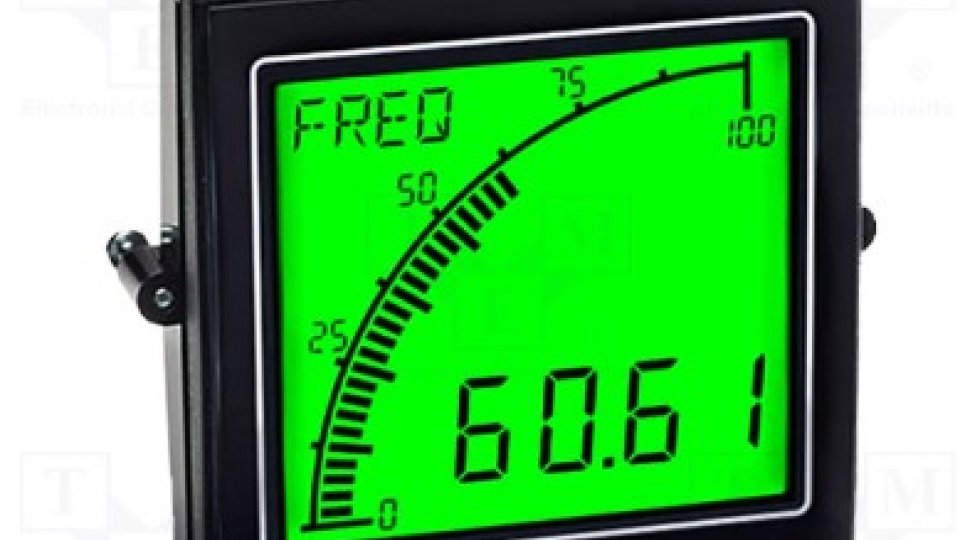
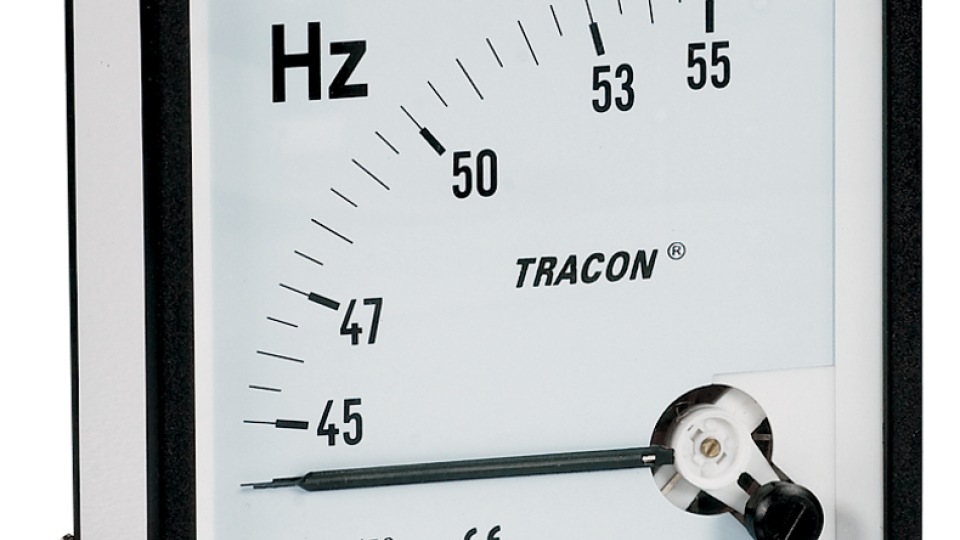
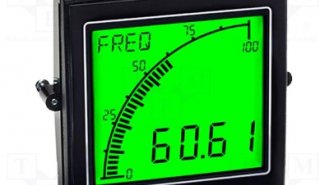
A frequency meter measures the frequency of alternating current (AC) in a circuit. Frequency, measured in Hertz (Hz), indicates how many times current changes direction per second.
Maintaining the correct frequency is crucial for the proper operation of electrical machinery and devices. Deviations can lead to:
Generator and motor failures
Malfunctions in systems dependent on standard frequency
Reduced performance of electrical equipment
Applications: Power generation systems (generators), AC-based electrical circuits, and navigation systems requiring stable frequency.
✅ Overall Benefits:
Reliable and safe operation of ship electrical systems.
Protection against faults and voltage fluctuations.
Improved efficiency and reduced maintenance costs.
Stable performance under all conditions.