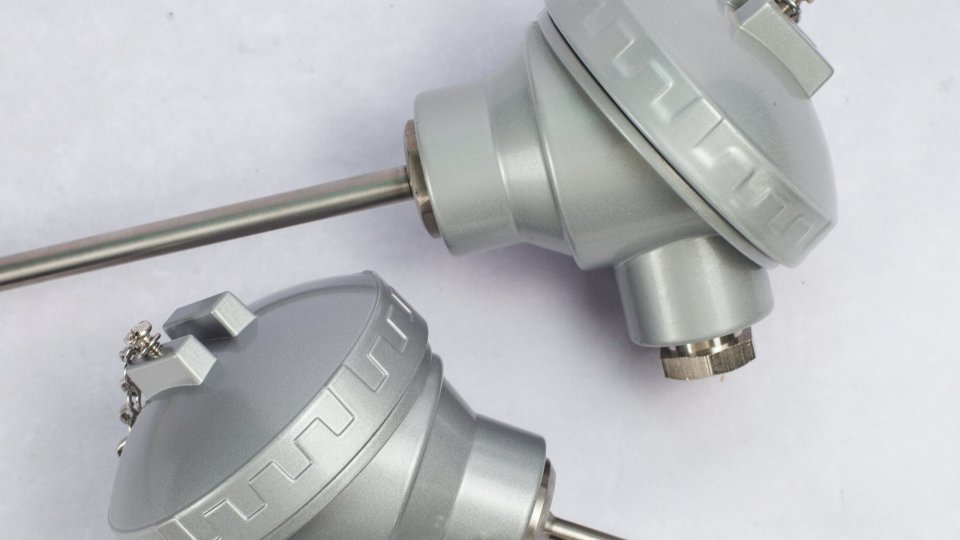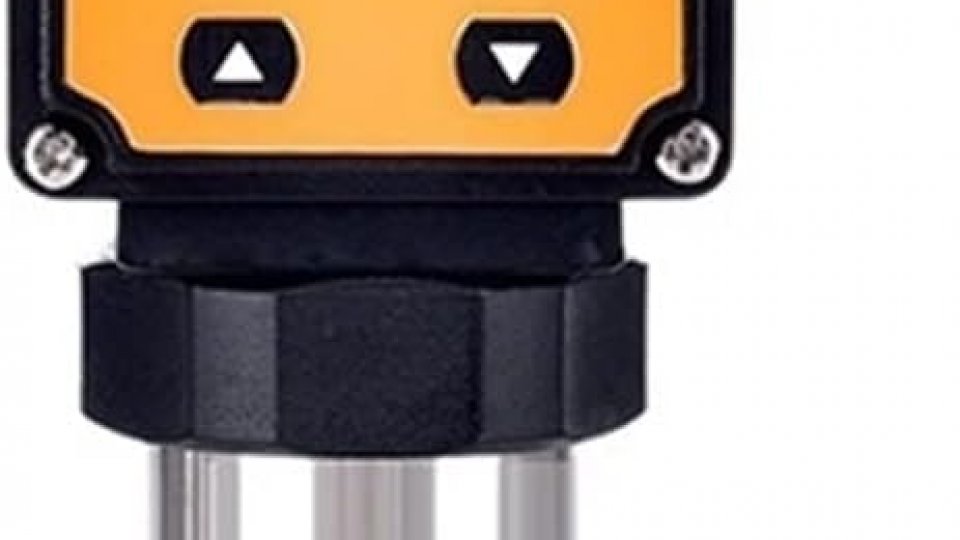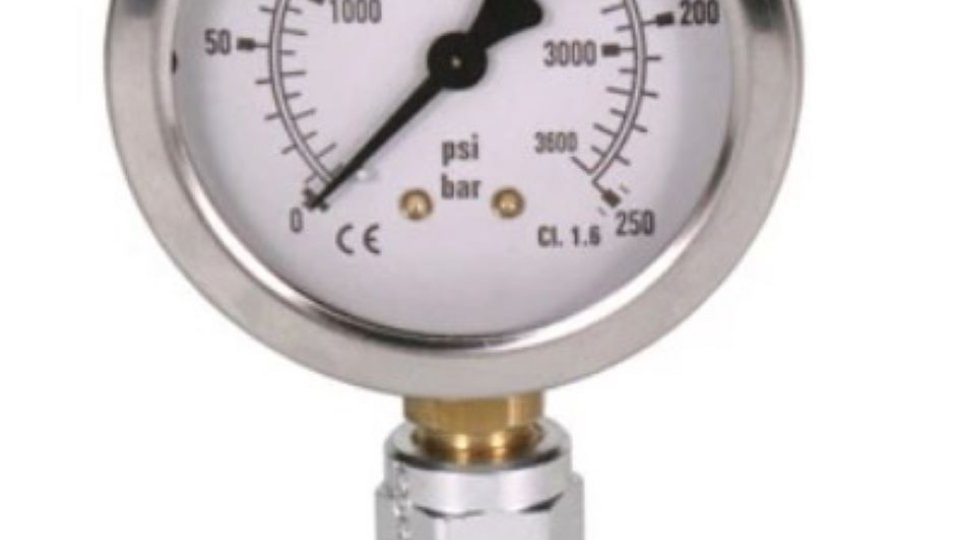
Temperature, water, pressure, and oil sensors are fundamental components of a vessel’s monitoring and control systems, providing accurate real-time data on essential parameters to ensure safe, efficient, and reliable operation. By continuously collecting and analyzing data, they contribute to the protection, optimization, and longevity of the vessel’s machinery and auxiliary systems.
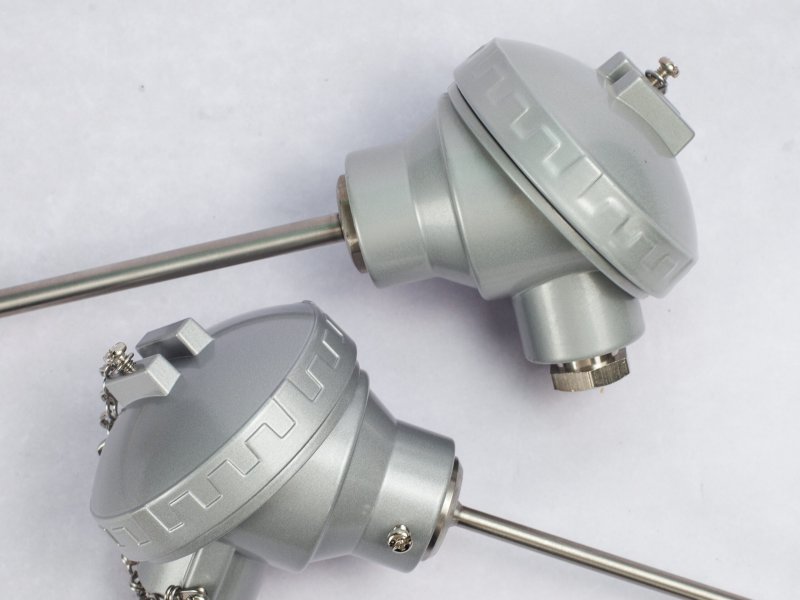
These sensors measure temperature at key points, such as the engine, exhaust system, cooling circuits, fuel systems, and electrical installations.
Early detection of excessive temperatures is crucial for preventing damage, overloading, or cooling system failures, thereby protecting mechanical components from wear or breakdown.
Water sensors monitor water levels and flow in systems such as engine cooling circuits and leak detection units.
A lack of water or a detected leak can lead to engine overheating, while in more critical cases, sensors can detect water ingress in the engine room, preventing potential safety hazards.
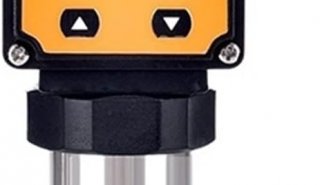
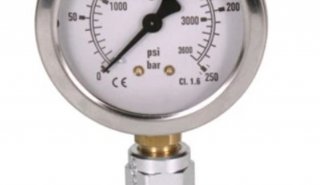
Pressure sensors measure pressure levels in engines, fuel systems, hydraulic circuits, cooling systems, and pneumatic systems.
Maintaining proper pressure is vital for optimal system performance. Deviations from acceptable levels may indicate fuel insufficiency, leaks, or equipment malfunctions, potentially resulting in performance loss or mechanical failures.
Oil sensors monitor both the level and quality of oil in lubrication systems, engine cylinders, and transmission systems.
Oil is essential for reducing friction, preventing overheating, and protecting moving components. Low oil levels or poor oil quality can lead to severe damage or even complete engine failure.
Overall Importance:
Continuous monitoring of these parameters enables the crew to detect anomalies early and take preventive actions. The collected data is typically integrated into the ship’s central control and monitoring systems, ensuring uninterrupted operation, improved safety, and long-term reliability.